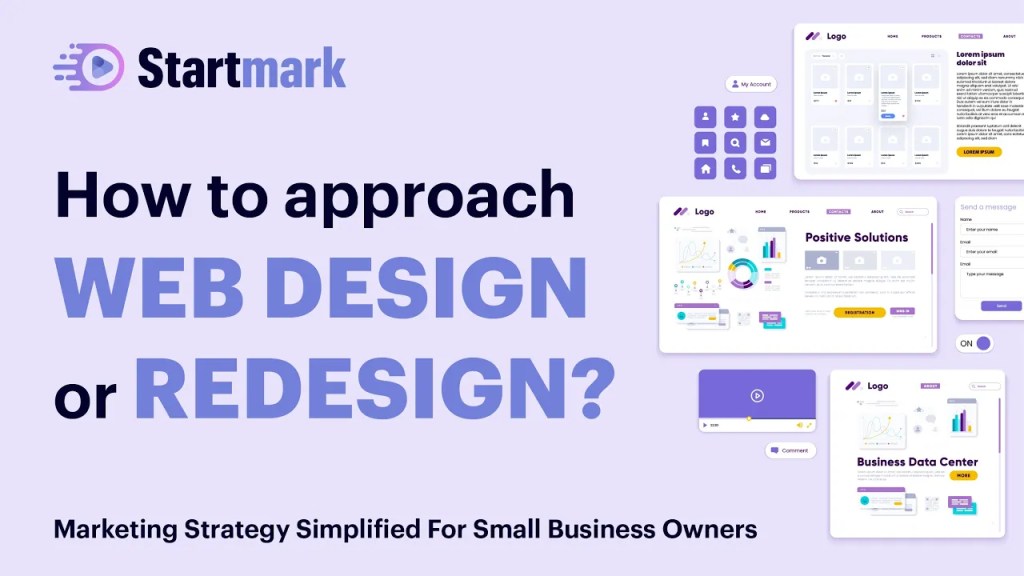
Building a Strong Online Presence: The Essential Guide to Website Design and Strategy
Table of Contents
- 0:25 What is front end web development?
- 1:00 How to create your own business website?
- 2:46 Pros and cons of website builders
- 4:15 What is search engine optimization?
- 5:40 How can I improve SEO on my website?
- 5:52 What are SEO keywords?
- 6:08 How to pick keywords for SEO?
#datadrivenmarketing #digitalmarketing #seostrategy #cybersecurity #marketing #conversionrateoptimization #marketingstrategy #smallbusiness #RethinkScience #startmark
Introduction:
In today’s digital landscape, your website serves as the face of your business and forms the foundation of your brand identity. It’s not just a virtual storefront; it’s a critical tool for engaging with customers, showcasing your products or services, and achieving your business goals. This comprehensive guide will walk you through the essential aspects of website design and strategy, ensuring your online presence is both effective and engaging.
1. Understanding the Two Sides of a Website: Frontend and Backend
- Frontend: The Storefront of Your Business
- The frontend of your website is akin to the storefront of a physical shop. It’s the part that visitors interact with, and it’s crucial for making a positive first impression. A well-designed frontend is visually appealing, easy to navigate, and responsive across devices. Consider elements like layout, color schemes, typography, and imagery. For instance, a clean and modern design can convey professionalism, while vibrant colors and playful fonts might suit a creative brand.
- Backend: The Engine Behind the Scenes
- While the frontend captures attention, the backend ensures everything runs smoothly. It’s the engine that powers your website, handling data processing, server communication, and application logic. A robust backend is essential for performance, security, and scalability. Technologies like databases, server-side languages, and APIs play a vital role here. For example, a well-optimized backend can significantly reduce page load times, enhancing user experience.
2. The Importance of Web Design and Redesign
- Why Web Design Matters
- Web design is more than aesthetics; it’s about creating an intuitive and engaging user experience. A well-designed website can increase user engagement, reduce bounce rates, and drive conversions. It reflects your brand identity and values, helping to build trust with your audience. For instance, a cluttered or outdated design might deter visitors, while a sleek and modern interface can encourage exploration.
- When to Consider a Redesign
- Over time, even the best websites may need a refresh to stay relevant. Consider a redesign if your site looks outdated, isn’t mobile-friendly, or doesn’t align with your current branding. A redesign can improve functionality, incorporate new technologies, and enhance user experience. For example, integrating a mobile-responsive design can significantly boost accessibility and reach.
3. Setting Clear Objectives for Your Website
- Defining Your Website’s Purpose
- Before diving into design, it’s crucial to define your website’s purpose. Is it to drive sales, generate leads, or provide information? Aligning your website with your business goals ensures it serves its intended function. For instance, an e-commerce site should focus on seamless navigation and checkout processes, while a portfolio site might prioritize showcasing work and client testimonials.
- Measuring Success
- To gauge your website’s effectiveness, establish key performance indicators (KPIs) such as conversion rates, page views, and bounce rates. Tools like Google Analytics can provide valuable insights into user behavior and site performance. For example, tracking the number of newsletter sign-ups can help measure the success of a lead generation strategy.
4. Avoiding Technical Debt and Choosing the Right Build
- Understanding Technical Debt
- Technical debt refers to the future costs of maintaining or reworking your website due to shortcuts taken during development. It can lead to slow performance, security vulnerabilities, and increased maintenance costs. To minimize technical debt, prioritize clean code, thorough testing, and regular updates. For instance, using a modular approach can make it easier to update individual components without affecting the entire site.
- Custom vs. Prebuilt Solutions
- When building a website, you can choose between custom development and prebuilt themes. Custom solutions offer tailored functionality and design, but they can be more expensive and time-consuming. Prebuilt themes, like those from Wix or Shopify, offer convenience and cost savings but may include unnecessary features that impact performance. Consider your business needs, budget, and long-term goals when making this decision.
5. Analyzing Market Trends and Best Practices
- Researching Competitors
- Analyzing competitor websites can provide valuable insights into industry trends and best practices. Look at their design, content, and user experience to identify strengths and weaknesses. Tools like BuiltWith can reveal the technologies they use. For example, if competitors are using chatbots for customer support, it might be worth considering for your site.
- Staying Updated with Trends
- Web design trends evolve rapidly, and staying updated can help keep your site fresh and engaging. Current trends include minimalist design, dark mode, and micro-interactions. While it’s important to incorporate trends, ensure they align with your brand identity and enhance user experience. For instance, a minimalist design can improve readability and focus on key content.
6. Organizing Content for SEO Success
- The Role of SEO in Website Visibility
- Search engine optimization (SEO) is crucial for improving your website’s visibility in search results. It involves optimizing content, structure, and technical elements to rank higher on search engines like Google. A well-optimized site can drive organic traffic and increase brand awareness. For example, using descriptive meta tags and alt text can improve search engine understanding of your content.
- Creating SEO-Friendly Content
- Organizing content effectively is key to SEO success. Each page should have a clear focus and target specific keywords. Use headings, bullet points, and concise paragraphs to enhance readability. For instance, a blog post about web design trends should include relevant keywords naturally throughout the text, without keyword stuffing.
7. Utilizing Keywords Effectively
- Understanding Keywords
- Keywords are the terms users enter into search engines to find information. Identifying the right keywords for your business is essential for attracting relevant traffic. Use tools like Google’s Keyword Planner to research search volume and competition. For example, a bakery might target keywords like “artisan bread” or “gluten-free pastries.”
- Incorporating Keywords into Your Website
- Once you’ve identified your keywords, strategically incorporate them into your website’s content, titles, and metadata. Avoid overloading pages with keywords, as this can harm readability and SEO. Instead, focus on creating valuable content that naturally includes keywords. For instance, a product page should highlight features and benefits while using relevant keywords.
8. Building a Roadmap for Website Development
- Planning Your Website Project
- A well-structured roadmap is essential for successful website development. Outline the project scope, timeline, and resources needed. Break down tasks into manageable phases, such as design, development, testing, and launch. For example, allocate time for user testing to gather feedback and make necessary adjustments before going live.
- Ensuring a Strong Foundation
- Prioritize tasks that establish a strong foundation, such as setting up hosting, security measures, and content management systems. Collaborate with designers and developers to ensure alignment with your vision and goals. For instance, regular communication can prevent misunderstandings and ensure the project stays on track.
Conclusion:
Building a website is a complex but rewarding process that requires careful planning and execution. By understanding the key elements of web design and strategy, you can create a website that not only looks great but also supports your business goals. Remember, your website is more than just an online presence—it’s a powerful tool for growth and success. Invest the time and resources needed to build a strong foundation, and your website will serve as a valuable asset for years to come.
Rethink Science is a forward-thinking consultancy specializing in leveraging the scientific method, sophisticated marketing analytics, and cyclical experimentation to develop tailored growth strategies for service-based businesses, healthcare organizations, and cybersecurity technology companies. Our team brings together a unique blend of design, development, marketing, and cybersecurity expertise to craft solutions that drive measurable results.
 STARTMARK
Leave a comment